Permitted and forbidden animals
Meat and milk
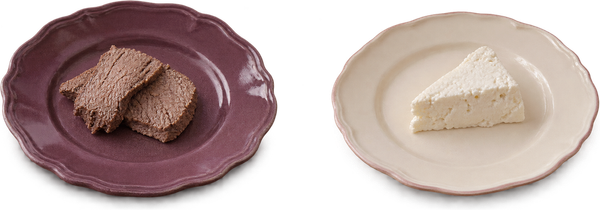
The Torah repeats three times the prohibition "you shall not cook a kid in its mother's milk". Oral tradition derives from it the prohibition of cooking, eating and deriving benefit from a mixture of meat and milk; the Mishnah extends the prohibition to poultry as well.7,8,9,10
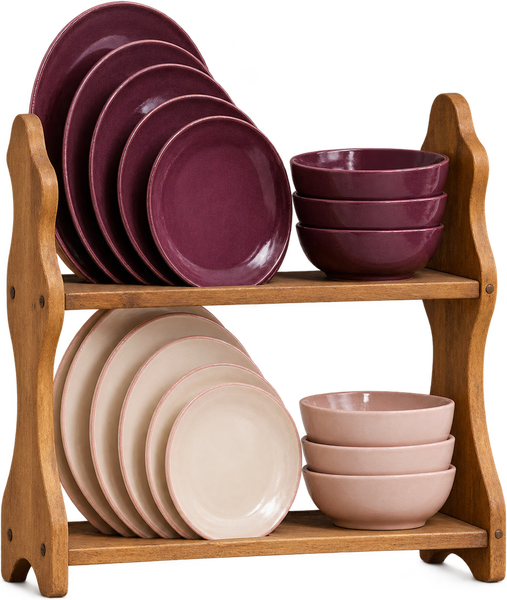
Foods are therefore divided into meat (fleishig, בְּשָׂרִי), dairy (milchig, חַלָבִי) and neutral (parve), and separate utensils are used in the kitchen.11
Practice today
Industrially produced foods are checked by certification organizations and marked with a symbol (hechsher). Standards differ between certifiers.
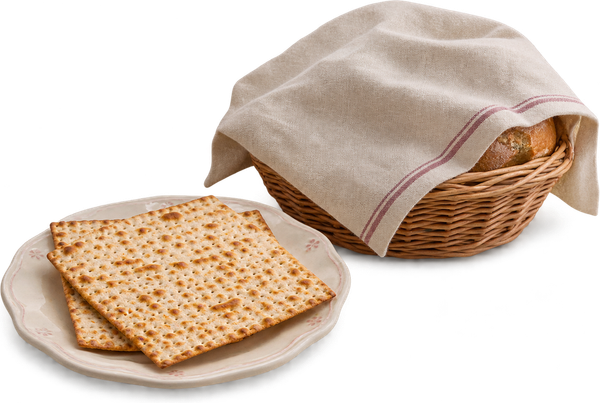
On Passover there is the additional prohibition of leavened food (chametz); Ashkenazi communities traditionally also avoid legumes and rice (kitniyot), while Sephardi and Oriental communities usually do not.
The Orthodox and Conservative movements regard kashrut as binding (with differing standards); Reform Judaism understands it as a personal choice. Many Jews observe only part of the rules, for example not eating pork.
FAQ
Is kosher food "blessed by a rabbi"?
No. Kosher means "fit" according to the rules; supervision (mashgiach) verifies the ingredients and procedures, and there is no blessing involved.
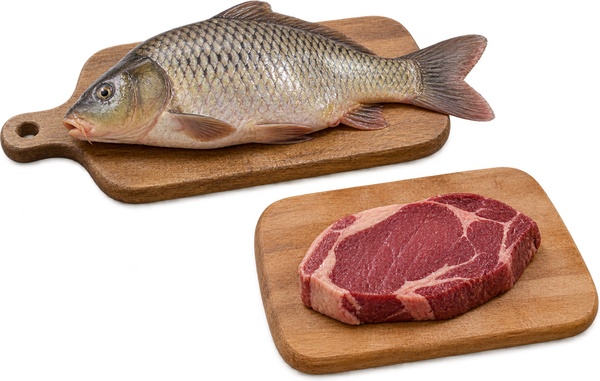
Is fish meat?
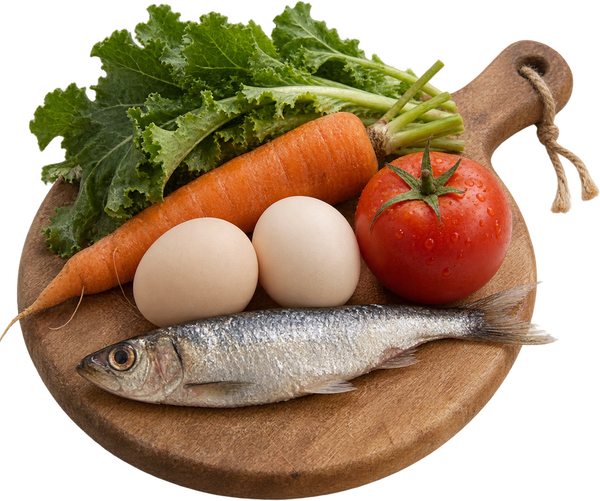
No, fish is parve and may be eaten with dairy dishes. According to halakhah, however, it is not eaten together with meat.⁂ To verify
Why does kashrut exist?
The Torah links it with the holiness of the people. Later interpretations cite discipline, ethics toward animals and health; none of them is the official "reason".
Sources
Primary sources
- 1Leviticus, 11 text ↗
- 2Deuteronomy, 14:3–21 text ↗
- 3Deuteronomy, 12:21 text ↗
- 4Leviticus, 17:10–14 text ↗
- 5Genesis, 32:33 text ↗
- 6Shulchan Arukh, Yoreh De’ah, 69 text ↗
- 7Exodus, 23:19 text ↗
- 8Exodus, 34:26 text ↗
- 9Deuteronomy, 14:21 text ↗
- 10Mishnah Chullin, 8:1 text ↗
- 11Shulchan Arukh, Yoreh De’ah, 87–97 text ↗
- 12Babylonian Talmud, Chullin, 105a text ↗
- 13Shulchan Arukh, Yoreh De’ah, 89:1 text ↗
- 14Shulchan Arukh, Yoreh De’ah, 116:2 text ↗
- 15Leviticus, 11:44–45 text ↗
- 16Mishnah Chullin
- 17Shulchan Arukh, Yoreh De’ah