01
Morning
02
During the day
Halakhah
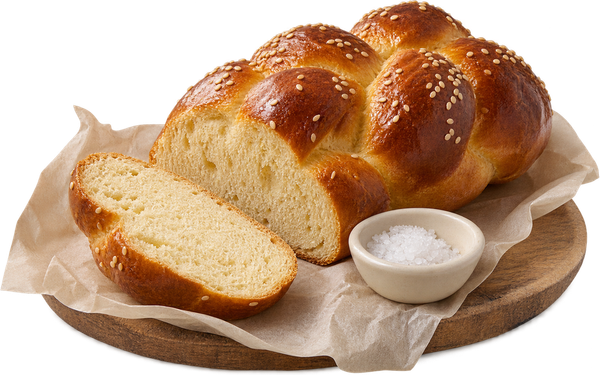
Blessings are said before and after eating; before bread the hands are washed and HaMotzi is said.6
Minhag
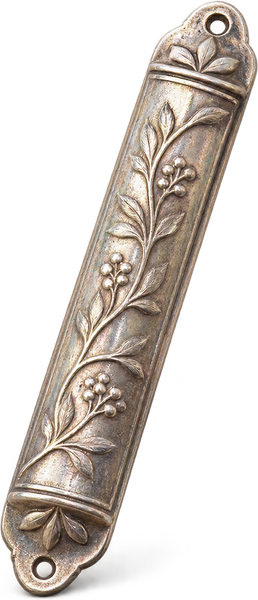
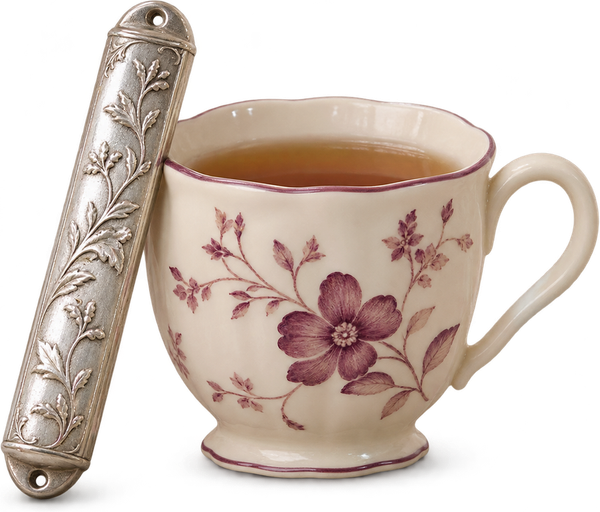
When entering a house or room with a mezuzah, many touch it and kiss their fingers; this is a custom.7
Minhag
The afternoon prayer, minchah, is usually short, and congregations often combine it with the evening prayer.
03
Evening
Halakhah
Before sleep, the Shema Yisrael is said (keriat shema al ha-mitah).1
Halakhah
The evening service, maariv, contains the Shema with its blessings and the Amidah.8
FAQ
Must women pray three times a day?
Halakhic authorities differ; many of them obligate women to one or two prayers a day. Liberal movements make no distinction between men and women.⁂ To verify
Why is a kippah worn?
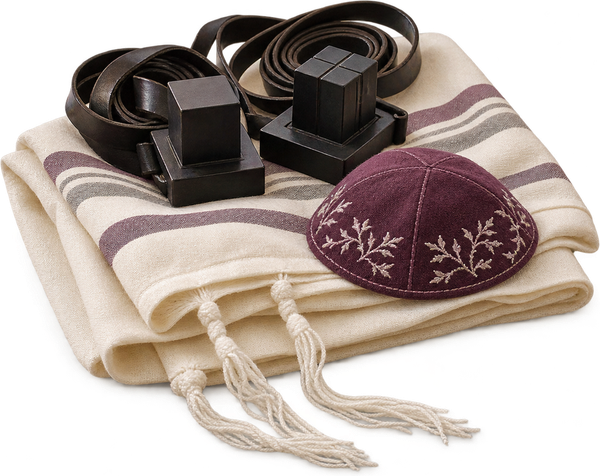
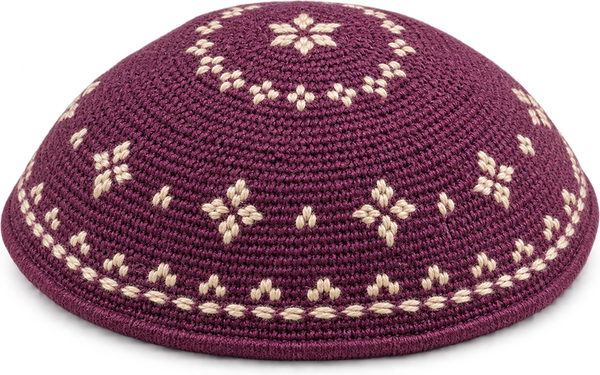
Covering the head is a custom expressing reverence before God; see Kippah.
Sources
Primary sources
- 1Babylonian Talmud, Berakhot, 60b text ↗
- 2Shulchan Arukh, Orach Chayim, 4 text ↗
- 3Deuteronomy, 6:8 text ↗
- 4Numbers, 15:37–41 text ↗
- 5Shulchan Arukh, Orach Chayim, 25 text ↗
- 6Babylonian Talmud, Berakhot, 35a text ↗
- 7Deuteronomy, 6:9 text ↗
- 8Mishnah Berakhot, 1:1 text ↗
- 9Mishnah Berakhot, 3:3 text ↗
- 10Babylonian Talmud, Shabbat, 156b text ↗
- 11Shulchan Arukh, Orach Chayim, 1–25 text ↗
- 12Siddur