Pilgrimage festivals
Shemini Atzeretשְׁמִינִי עֲצֶרֶת
1 day (22 Tishrei); Simchat Torah follows on 23 Tishrei · 22 Tishrei
- Bible
- Halakhah
- Minhag
- Folk custom
- Modern practice
- Interpretation
- Transliteration
- Shemini Atzeret
- Pronunciation
- shmi-NI a-TZE-ret
- Duration
- Israel: 1 day (also Simchat Torah)
Diaspora: 1 day (22 Tishrei); Simchat Torah follows on 23 Tishrei

In 60 seconds
Shemini Atzeret, the “eighth day of assembly”, follows immediately after the seven days of Sukkot. The Torah names it as a holy day on which no work is done. Although it follows on from Sukkot, rabbinic tradition understands it as a festival in its own right: the four species are no longer taken, and in Israel people no longer sit in the sukkah. In the Musaf prayer the plea for rain, Tefillat Geshem, is said for the first time in the year, because the rainy season begins in the Land of Israel. Ashkenazi congregations say the Yizkor memorial prayer. In Israel Simchat Torah is celebrated on the same day; in the diaspora, where the festival lasts two days, Simchat Torah falls on the following day.
Next date
When
Begins
Friday, 22 October 2027, at sunset (17:57)
candle lighting: 17:39
Ends
Saturday, 23 October 2027, after nightfall (18:44)
1 day
Begins
Wednesday, 11 October 2028, at sunset (18:18)
candle lighting: 18:00
Ends
Thursday, 12 October 2028, after nightfall (19:04)
1 day
Begins
Sunday, 30 September 2029, at sunset (18:42)
candle lighting: 18:24
Ends
Monday, 1 October 2029, after nightfall (19:28)
1 day
Times for Prague · Diaspora
History and origins
After the seven days of Sukkot, the Torah establishes the eighth day as a “holy convocation” and an “atzeret”, with its own offerings.1,2,3
The Books of Kings and Chronicles describe how Solomon, after the dedication of the Temple and the festival, sent the people home on the eighth day.4,5
The Talmud understands Shemini Atzeret as a festival in its own right (regel bifnei atzmo), with its own Shehecheyanu blessing and its own name in the prayers.6
Religious meaning
During Sukkot a total of seventy bulls were offered in the Temple, which the Talmud relates to the seventy nations of the world; on the eighth day only one bull – for Israel.7,8
A well-known midrashic image: a king who has invited his sons to a feast asks them to stay one more day, because “your parting is hard for me”. Shemini Atzeret is thus a day of intimate encounter.
Core traditions
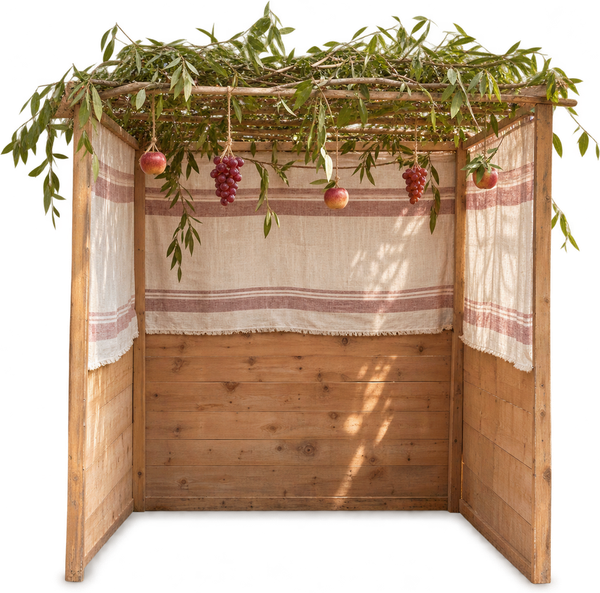
In the diaspora people still eat in the sukkah, but without the blessing leishev ba-sukkah; some Hasidim no longer eat in the sukkah.9
In Israel the hakafot with the Torah scrolls begin in the evening, because Shemini Atzeret and Simchat Torah merge into one day.


How it is observed
It is a festival day (yom tov): work is prohibited as on other festivals, while cooking and carrying for the needs of the festival are permitted.
The four species are no longer taken; festival candles are lit and kiddush is said with Shehecheyanu.
Prayers and blessings
In Musaf Tefillat Geshem (the prayer for rain) is recited, and from then until Passover the Amidah includes “mashiv ha-ruach u-morid ha-geshem”.10,11
Ashkenazim say the Yizkor memorial prayer. Sephardim have their own memorial prayers (hashkavot) arranged differently.
Symbols and objects
The festival has no object of its own; its “symbol” is the plea for rain. In some congregations the cantor wears a white kittel, as on the High Holidays.
Torah scrolls come to the fore in Israel, where people dance with the Torah on the same day.

Traditional foods
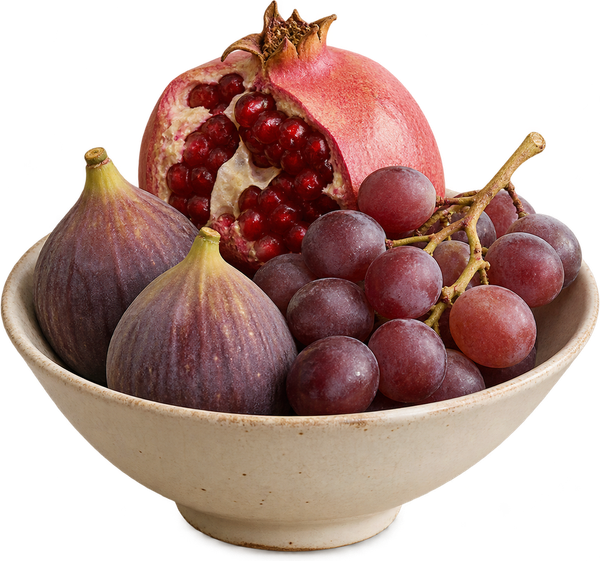
There are no established dishes specific to Shemini Atzeret; the festive Sukkot cuisine with its stuffed dishes continues. Some Ashkenazi families serve kreplach.
Differences between communities
In Israel Shemini Atzeret is also Simchat Torah (one day); in the diaspora these are two days (22 and 23 Tishrei).
Reform congregations in the diaspora usually follow the Israeli calendar and celebrate both festivals on one day.
In the Czech lands
As diaspora communities, Czech communities follow the two-day scheme: Shemini Atzeret on 22 Tishrei and Simchat Torah on 23 Tishrei.
For children
Shemini Atzeret is like “stay just a little longer” at the end of a long celebration. After a week in the sukkah, people pray for rain to come on time in Israel.
FAQ
Is Shemini Atzeret part of Sukkot?
It follows on from it, but according to the Talmud it is a festival in its own right: the four species are not taken, and in Israel people do not sit in the sukkah.
Why is the prayer for rain said now?
The rainy season begins in the Land of Israel; the plea for rain is not said during Sukkot so that rain does not spoil the time spent in the sukkah.
What is the difference between Shemini Atzeret and Simchat Torah?
In Israel they are the same day. In the diaspora Shemini Atzeret is on 22 Tishrei and Simchat Torah on 23 Tishrei.
Do people sit in the sukkah on Shemini Atzeret?
Not in Israel. In the diaspora many do, but without the blessing; customs vary.⁂ To verify
Sources
Primary sources
- 1Leviticus, 23:36 text ↗
- 2Leviticus, 23:39 text ↗
- 3Numbers, 29:35–38 text ↗
- 4I Kings, 8:66 text ↗
- 5II Chronicles, 7:9–10 text ↗
- 6Babylonian Talmud, Sukkah, 48a text ↗
- 7Numbers, 29:12–36 text ↗
- 8Babylonian Talmud, Sukkah, 55b text ↗
- 9Shulchan Arukh, Orach Chayim, 668:1 text ↗
- 10Mishnah Taanit, 1:1–2 text ↗
- 11Siddur
- 12Deuteronomy, 14:22–16:17 text ↗
- 13I Kings, 8:54–66 text ↗
- 14Babylonian Talmud, Sukkah