Minor holidays
Purimפּוּרִים
1 day (14 Adar) · 14 Adar (in a leap year Adar II); Shushan Purim 15 Adar
- History
- Bible
- Halakhah
- Minhag
- Folk custom
- Modern practice
- Interpretation
- Transliteration
- Purim
- Pronunciation
- pu-RIM
- Duration
- Israel: 1 day (14 Adar); in Jerusalem 15 Adar (Shushan Purim)
Diaspora: 1 day (14 Adar)
In 60 seconds
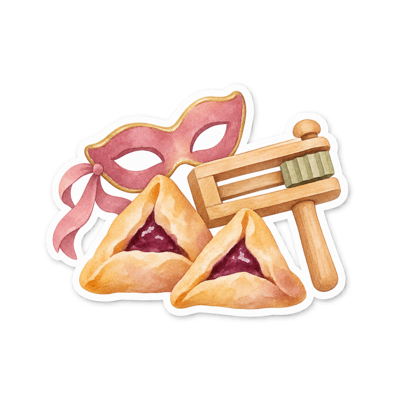
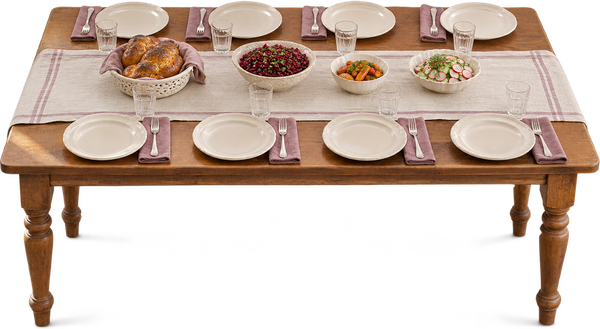
Purim celebrates the rescue of the Jews in the Persian Empire as told in the biblical Book of Esther: the minister Haman cast lots (pur) to fix the day of their destruction, but Queen Esther and Mordecai overturned his plan. The festival falls on 14 Adar; in Jerusalem and in cities walled since the time of Joshua, on 15 Adar (Shushan Purim). The day before is the Fast of Esther. Purim has four main obligations: hearing the reading of the Esther scroll (megillah) in the evening and in the morning, sending friends gifts of food (mishloach manot), giving to the poor (matanot la-evyonim) and gathering for a festive meal. Folk customs include costumes, Purim plays, noise at Haman's name and three-cornered hamantaschen. It is the merriest day of the Jewish year.
Next date
Related recipes
When
Begins
Monday, 22 March 2027, at sunset (18:17)
Ends
Wednesday, 24 March 2027, after nightfall (19:09)
2 days
Begins
Saturday, 11 March 2028, at sunset (18:01)
Ends
Monday, 13 March 2028, after nightfall (18:52)
2 days
Begins
Wednesday, 28 February 2029, at sunset (17:42)
Ends
Friday, 2 March 2029, after nightfall (18:34)
2 days
Times for Prague · Diaspora
History and origins
The festival is based on the Book of Esther: the Persian king Ahasuerus, his minister Haman, who sought to destroy all the Jews of the empire, and Queen Esther with her uncle Mordecai, who averted the catastrophe. Haman set the date by lot – in Hebrew pur – hence the festival's name.1,2
The historicity of the narrative is disputed among scholars; the book is set in the period of Persian rule (Ahasuerus is often identified with Xerxes I), but external evidence for the events is lacking. The book belongs to the Ketuvim (Writings).3
Religious meaning
The Book of Esther is the only biblical book (besides the Song of Songs) that does not mention the name of God. Traditional interpretation sees in this God's “hidden face” – rescue comes through seemingly chance events and human action.6
The motif of “reversal” (ve-nahafoch hu, Esther 9:1) – sorrow turning into joy – runs through the whole festival: disguise, parody, inverted roles.7
Core traditions
Costumes and masks have been associated with Purim since the late Middle Ages; their origin is often sought in Italy. The Purim shpil (Purim play) is typical of the Ashkenazi world, reaching its peak in the 17th–18th centuries.8
When Haman's name is read in the megillah, noise is made with rattles (Yiddish gragger, Hebrew ra'ashan) or by stamping. The custom is already known to the Rema's gloss.9
The Talmudic saying “a person is obliged to become intoxicated on Purim until he cannot tell between ‘cursed be Haman’ and ‘blessed be Mordecai’” is interpreted variously by the authorities; the Rema recommends drinking more than usual and falling asleep. Many modern authorities warn against excessive drinking.10,11

How it is observed
Reading the megillah: the Esther scroll is read in the evening and again in the morning from a handwritten parchment scroll. The Talmud obligates women as well, because “they too were part of that miracle”.12,13
Prayers and blessings
Before the megillah reading blessings are said (on reading the scroll, she-asa nisim, and both evening and morning Shehecheyanu); after the reading, the blessing ha-rav et rivenu. The liturgical poem Shoshanat Yaakov is sung in Ashkenazi communities.19,20
Hallel is not recited on Purim; the Talmud explains this partly by saying that the reading of the megillah is itself praise.21
Symbols and objects
Megillat Esther – a parchment scroll, in Sephardi communities often kept in a case, in Ashkenazi ones decorated. Manuscripts are often richly illuminated.
The rattle, masks and three-cornered pastries are the best-known folk symbols of the festival.
Traditional foods
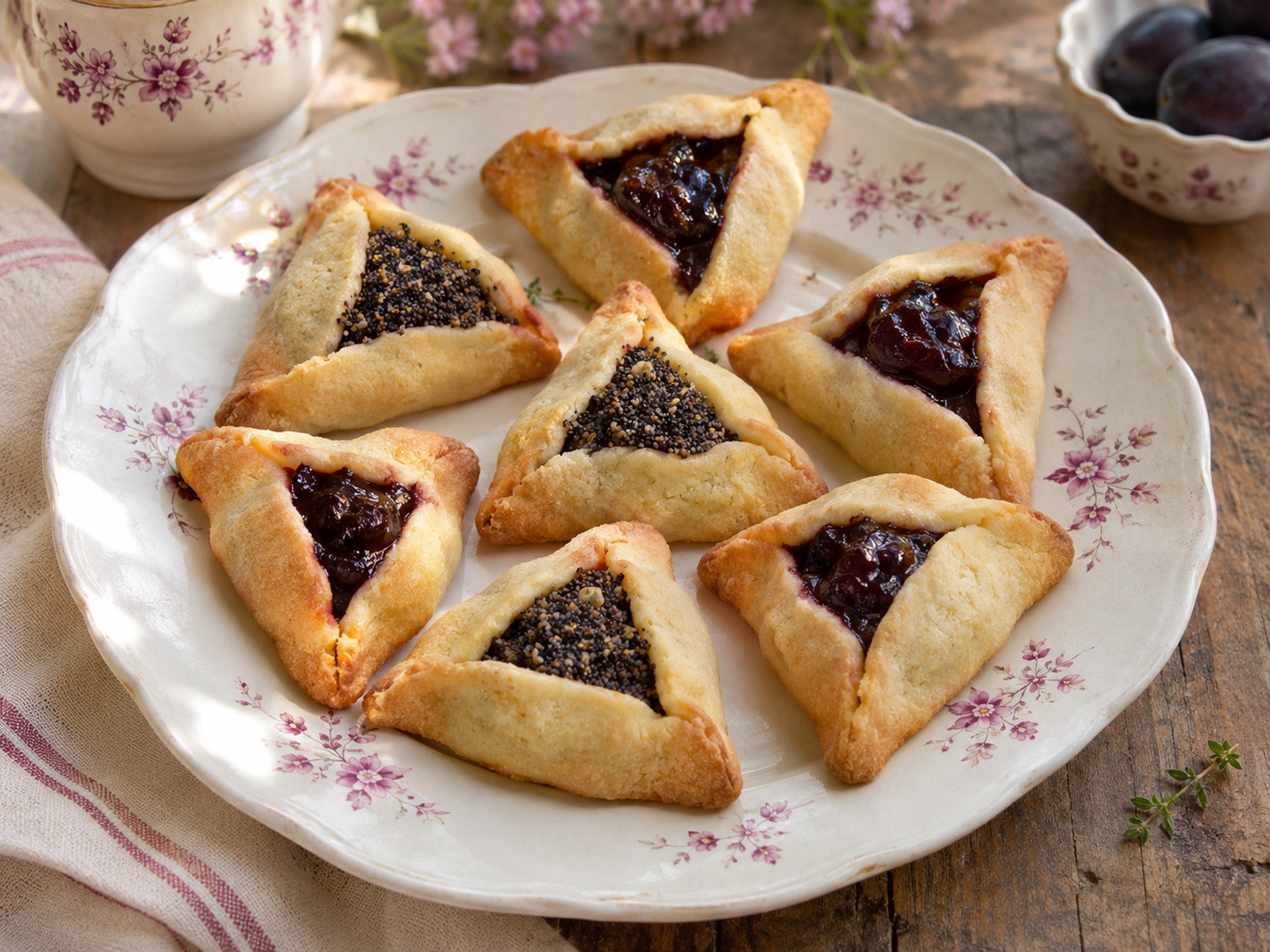
Ashkenazi hamantaschen (Yiddish Homentashn, Hebrew oznei Haman – “Haman's ears”) filled with poppy seed or plum jam. Poppy seed is linked to the legend that in the palace Esther ate only seeds and legumes.22
Sephardi communities bake, for example, oznei Haman fried in oil, or savoury pastries; dishes vary by country of origin. Wine is traditionally served at the feast.23
Differences between communities
Many communities celebrated their own “local Purim” (Purim Katan, Purim Sheni) in memory of the rescue of their own community, e.g. in Cairo, Frankfurt am Main or Prague.3
In Israel carnival parades called Adloyada are held (Tel Aviv since 1912; the name comes from the Talmudic “ad de-lo yada”).
In the Czech lands
Prague celebrated a local “Curtain Purim” (Vorhang-Purim) in memory of Hanoch Altschul's release from prison in 1623 in connection with the theft of a synagogue curtain; the event is described in his own scroll.3
The Prague Jewish community and other communities in the Czech Republic today hold megillah readings and Purim parties.24
For children
Children make masks and rattles, make noise at Haman's name during the megillah reading, and help assemble and deliver mishloach manot packages.
Baking hamantaschen is a good family activity; the story of Esther can also be told as a play.
FAQ
What does the word Purim mean?
“Lots” – after the lot (pur) by which Haman fixed the day of destruction.
Why is it celebrated a day later in Jerusalem?
In Shushan the fighting continued into 14 Adar and the people rested on the 15th; the rabbis assigned this day to cities walled since the time of Joshua. Today it applies in practice mainly to Jerusalem.
Do you have to get drunk on Purim?
The Talmud puts it strongly, but halakhic authorities soften it; for the Rema it is enough to drink more than usual and fall asleep. No one should drink at the expense of health or other commandments.
What is the Fast of Esther?
A fast on 13 Adar, the day before Purim, in memory of the fast of Esther and her people. See Fast of Esther.
What goes into mishloach manot?
At least two kinds of ready-to-eat food or drink for one person, e.g. pastry and fruit or wine.
Sources
Primary sources
- 1Esther, 3:7 text ↗
- 2Esther, 9:24–26 text ↗
- 4Esther, 9:17–32 text ↗
- 5Mishnah Megillah, 1:1 text ↗
- 6Babylonian Talmud, Chullin, 139b text ↗
- 7Esther, 9:1 text ↗
- 9Shulchan Arukh, Orach Chayim, 690:17 text ↗
- 10Babylonian Talmud, Megillah, 7b text ↗
- 11Shulchan Arukh, Orach Chayim, 695:2 text ↗
- 12Babylonian Talmud, Megillah, 4a text ↗
- 13Shulchan Arukh, Orach Chayim, 687–689 text ↗
- 14Esther, 9:22 text ↗
- 15Babylonian Talmud, Megillah, 7a text ↗
- 16Mishneh Torah, Megila 2:17
- 17Mishnah Megillah, 1:4 text ↗
- 18Shulchan Arukh, Orach Chayim, 695; 697
- 19Siddur
- 20Shulchan Arukh, Orach Chayim, 692 text ↗
- 21Babylonian Talmud, Megillah, 14a text ↗
- 25Esther, 9:18–19 text ↗
- 26Esther, 4:16 text ↗
- 27Shulchan Arukh, Orach Chayim, 686:2 text ↗
- 28Esther
- 29Mishnah Megillah, 1 text ↗
- 30Babylonian Talmud, Megillah, 2a–17a text ↗
- 31Shulchan Arukh, Orach Chayim, 686–697 text ↗
- 32Mishneh Torah