Origin and obligation
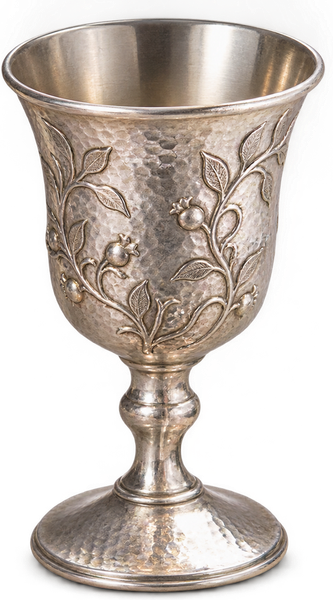
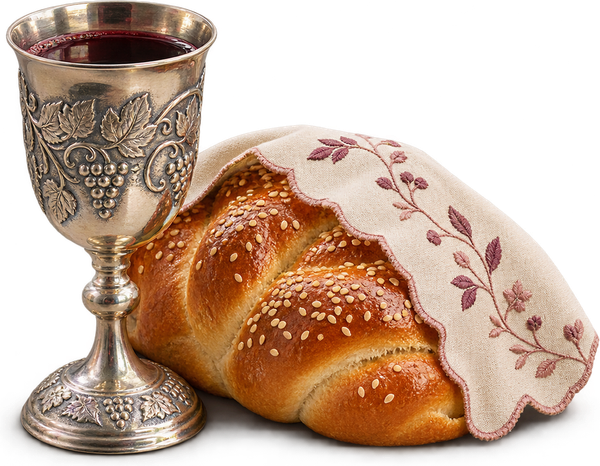
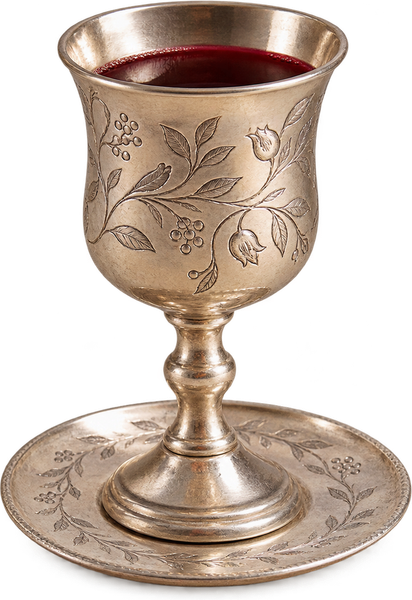
The Talmud interprets the commandment "Remember the Sabbath day, to keep it holy" to mean that Shabbat should be remembered over wine.1,2
Maimonides counts the verbal sanctification of Shabbat among the biblical commandments; he regards the use of wine as a rabbinic enactment.3
Women are obligated in kiddush just like men, because whoever is bound by the prohibition "keep" is also bound by the commandment "remember".4
The Friday evening ceremony
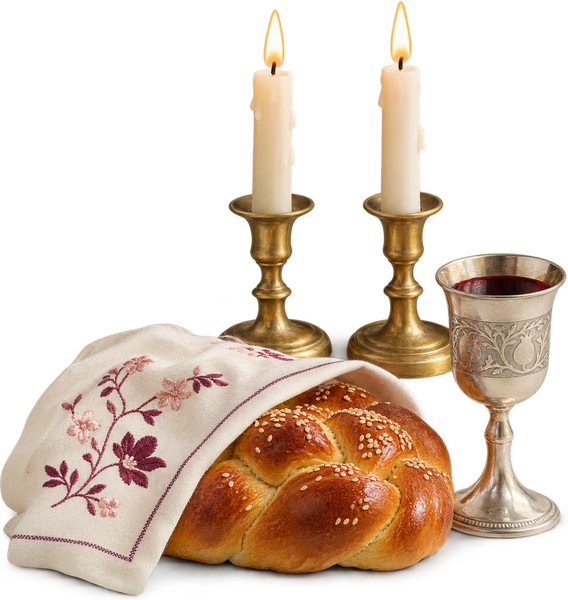
The text opens with the biblical passage on the completion of creation (Vayechulu), followed by the blessing over wine (בּוֹרֵא פְּרִי הַגָּפֶן) and the blessing on the holiness of the day. For the text, see Friday night Kiddush.5,6,7
Kiddush is to be said where one eats ("in the place of the meal"), so dinner follows it immediately.8,9
Whether kiddush is said standing or sitting varies according to family and community tradition; both practices have support in halakhic literature.
Daytime kiddush and holidays
Before the Shabbat lunch a shorter kiddush is said, ironically called kiddusha rabba ("the great kiddush"). On holidays the text of kiddush is adapted to the particular holiday.10
In many congregations a social "kiddush" with refreshments is held after the Saturday service; this is a community custom, not a separate ceremony.
שאלות נפוצות
Does it have to be wine?
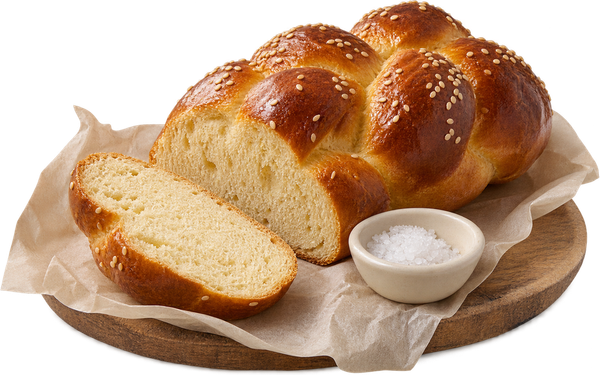
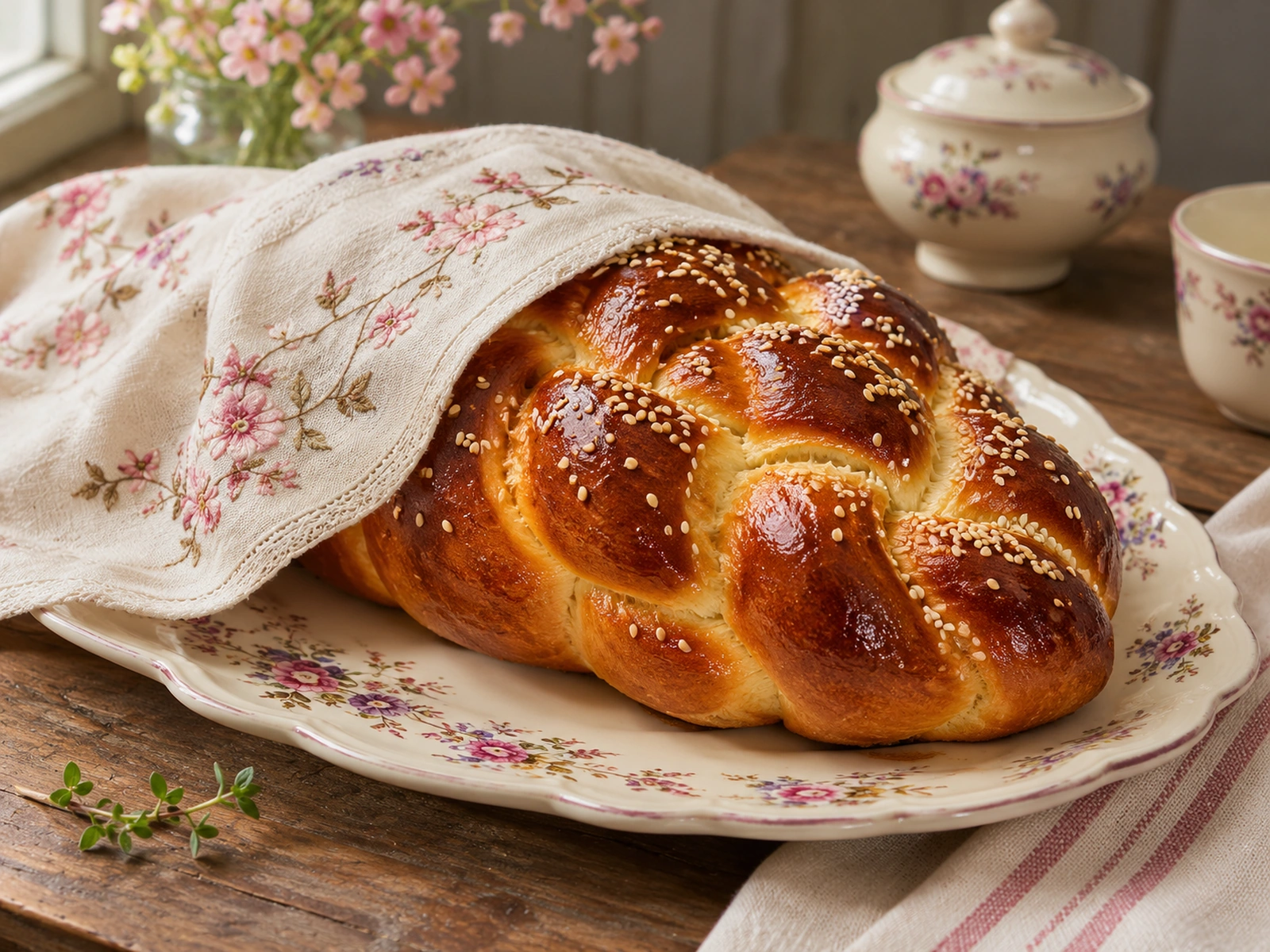
Grape juice is also fine. If one has no wine, according to halakhic authorities the Friday kiddush may be said over challah; the details vary.⁂ לאימות
Who says kiddush?
Usually one of those present says it on behalf of everyone, and they answer "amen". It may be said by a man or a woman.
מקורות
מקורות ראשוניים
- 1Exodus, 20:8 text ↗
- 2Babylonian Talmud, Pesachim, 106a text ↗
- 3Mishneh Torah, Hilchot šabat 29:1
- 4Babylonian Talmud, Berakhot, 20b text ↗
- 5Genesis, 2:1–3 text ↗
- 6Siddur
- 7Shulchan Arukh, Orach Chayim, 271 text ↗
- 8Babylonian Talmud, Pesachim, 101a text ↗
- 9Shulchan Arukh, Orach Chayim, 273 text ↗
- 10Shulchan Arukh, Orach Chayim, 289 text ↗
- 11Shulchan Arukh, Orach Chayim, 272 text ↗
- 12Shulchan Arukh, Orach Chayim, 271–273 text ↗